Get Room Soundproofing
Room soundproofing services help property owners reduce noise transfer and improve privacy through wall, ceiling, or floor upgrades handled by local contractors.
If you’re considering room soundproofing, you’ve come to the right place to explore your options. Property owners in the area often seek soundproofing services to improve privacy, reduce noise disturbances, or create a more comfortable living or working environment. Whether you’re planning a renovation, adapting a space for specific needs, or simply aiming to enhance your property’s tranquility, understanding the available solutions is an important first step. Keep reading to discover how local contractors can help you achieve your soundproofing goals with practical and effective approaches.
Comparing local service providers can help identify the right fit for your project, ensuring the work aligns with your needs and expectations. Many property owners find value in consulting experienced contractors who specialize in soundproofing techniques tailored to different spaces. By exploring your options and gathering information about the services offered, you can make informed decisions about how to proceed with your room soundproofing plans. Continue reading to learn more about what local experts can do to help create quieter, more private environments.
- Home Theater Rooms - when creating a dedicated space for immersive audio and video experiences.
- Recording Studios - for musicians or podcasters seeking to minimize sound reflections and external noise.
- Office Spaces - to reduce noise distractions and improve concentration in work environments.
- Apartment or Condo Units - when managing noise transfer between neighboring units or within shared buildings.
- Conference Rooms - for businesses aiming to enhance acoustics during meetings and presentations.
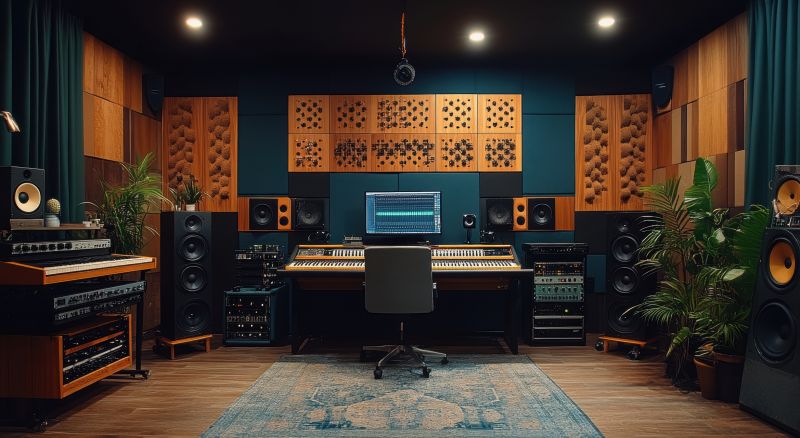
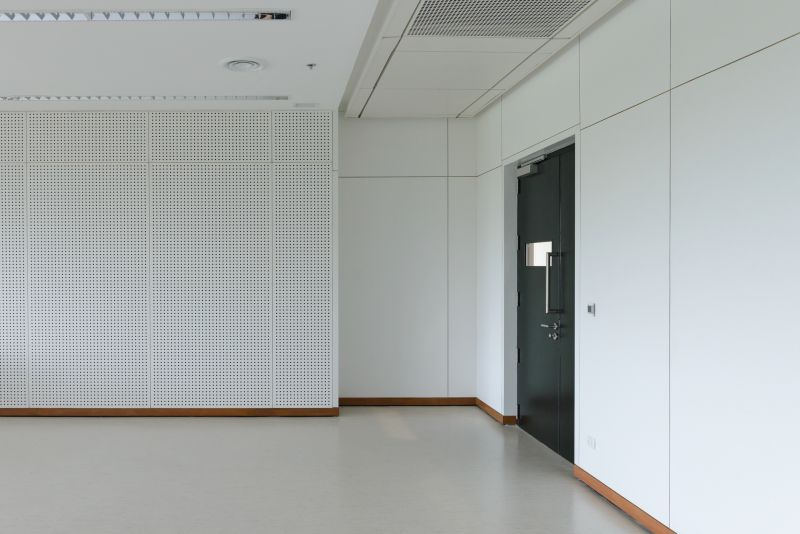

Room soundproofing services involve installing materials and solutions designed to reduce noise transmission between spaces. This process typically includes adding insulation, installing acoustic panels, sealing gaps, and sometimes upgrading doors and windows to prevent sound leaks. The goal is to create a quieter environment within a room by minimizing external noise or preventing noise from escaping to other parts of the property. These services are tailored to improve comfort and privacy, especially in spaces where noise levels can be disruptive.
Many common problems lead homeowners to seek soundproofing solutions. These include noise disturbances from nearby traffic, neighbors, or busy streets; sounds from appliances or entertainment systems that carry through walls; or the need for privacy in shared living environments. Additionally, soundproofing can help reduce echoes and improve the overall acoustic quality of a room, making it more suitable for activities like working, studying, or relaxing. Service providers can assess the specific noise issues and recommend effective measures to address them.
Properties that often benefit from soundproofing include homes with shared walls or floors, such as townhouses or apartments, where noise can easily transfer between units. Homeowners with home offices, media rooms, or bedrooms seeking a quieter space also find this service valuable. Commercial properties, like conference rooms, recording studios, or offices, frequently require soundproofing to meet privacy and acoustic standards. Regardless of property type, local contractors can adapt soundproofing techniques to suit different layouts and noise challenges.
Choosing to have room soundproofing installed can significantly enhance the quality of daily living. It helps create a peaceful retreat within a busy household or noisy neighborhood, making it easier to concentrate, rest, or enjoy entertainment without disturbance. When considering this service, homeowners are encouraged to contact local service providers who can evaluate their specific needs and recommend appropriate solutions. Connecting with experienced professionals ensures the work is done effectively and tailored to the property's unique acoustical requirements.
The overview below groups typical Room Soundproofing projects into broad ranges so you can see how smaller, mid-sized, and larger jobs often compare in your area.
In many markets, a large share of routine jobs stays in the lower and middle ranges, while only a smaller percentage of projects moves into the highest bands when the work is more complex or site conditions are harder than average.
Smaller Repairs - Typical costs for minor soundproofing repairs, such as replacing a few panels or sealing gaps, usually range from $250-$600. Many routine jobs fall within this middle range, depending on the room size and materials used.
Partial Room Soundproofing - For medium-sized projects like adding soundproofing to a single wall or ceiling, local service providers often charge between $1,000-$3,000. Larger, more complex projects can reach $4,000+ but are less common.
Full Room Soundproofing - Complete soundproofing of an entire room or multiple rooms typically costs between $3,500-$8,000. Many projects in this range involve standard materials and moderate complexity, while higher-end jobs can go beyond $10,000.
Whole-Home Soundproofing - Extensive soundproofing across an entire home can range from $15,000-$50,000 or more, depending on the size and scope. These larger projects are less frequent and often involve advanced materials and custom solutions.
Actual totals will depend on details like access to the work area, the scope of the project, and the materials selected, so use these as general starting points rather than exact figures.
Home Theater Room Soundproofing - local contractors skilled in acoustic treatments and wall insulation can help reduce noise transfer for a better viewing experience.
Recording Studio Soundproofing - service providers experienced in sound isolation and room acoustics can assist with creating professional-quality recording environments.
Music Practice Room Soundproofing - local pros familiar with soundproof barriers and sound absorption techniques can help musicians practice without disturbance.
Office Conference Room Soundproofing - service providers capable of installing soundproofing solutions to ensure privacy and reduce noise distractions.
Apartment Noise Reduction Projects - local contractors can implement soundproofing strategies to minimize noise between units or from external sources.
Commercial Space Acoustic Treatments - specialists in soundproofing and acoustic design can improve sound quality and control in various commercial environments.
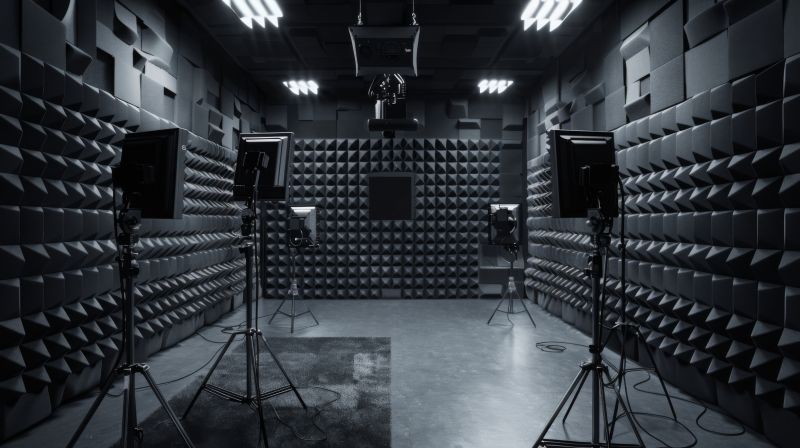
When evaluating service providers for room soundproofing, it’s important to consider their experience with similar projects. Homeowners should inquire about the types of spaces they have worked on before, such as bedrooms, home theaters, or shared walls in multi-family buildings. An experienced contractor will have a clear understanding of effective soundproofing techniques and materials suited to different environments, which can help ensure the results meet expectations. Gathering information about their past work can provide insight into their familiarity with the scope and complexity of soundproofing projects similar to what’s needed.
Clear, written expectations are a vital part of choosing the right local contractor. Homeowners should seek detailed estimates or proposals that outline the scope of work, materials to be used, and any specific steps involved. Having this information in writing helps prevent misunderstandings and provides a reference point throughout the project. Service providers who communicate their plans clearly and transparently demonstrate professionalism and a commitment to meeting client needs, making it easier to compare options effectively.
Reputable references and good communication are key indicators of a dependable soundproofing contractor. Homeowners can ask potential service providers for references from previous clients who had similar projects completed. Contacting these references can reveal insights into the contractor’s reliability, quality of work, and how well they maintained open lines of communication. A contractor who responds promptly to questions and provides thorough, understandable information can contribute to a smoother project experience. It’s important to remember that this site introduces homeowners to local options capable of handling soundproofing work but does not perform the work itself.
Property owners use Room Soundproofing services for practical projects around their homes and businesses. This guide focuses on everyday jobs and straightforward project options.
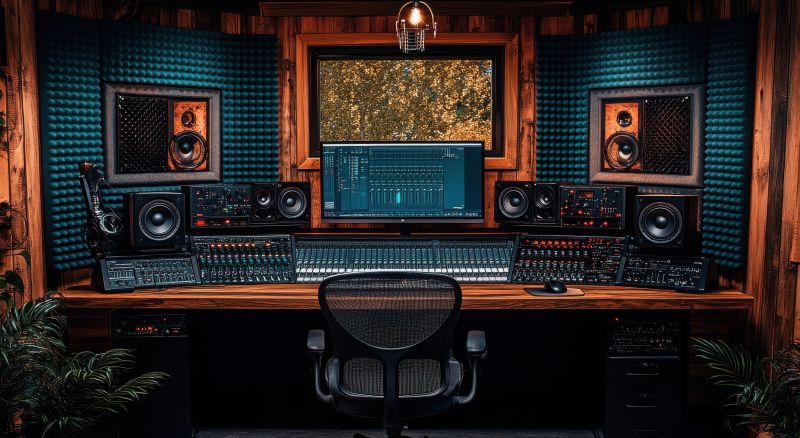
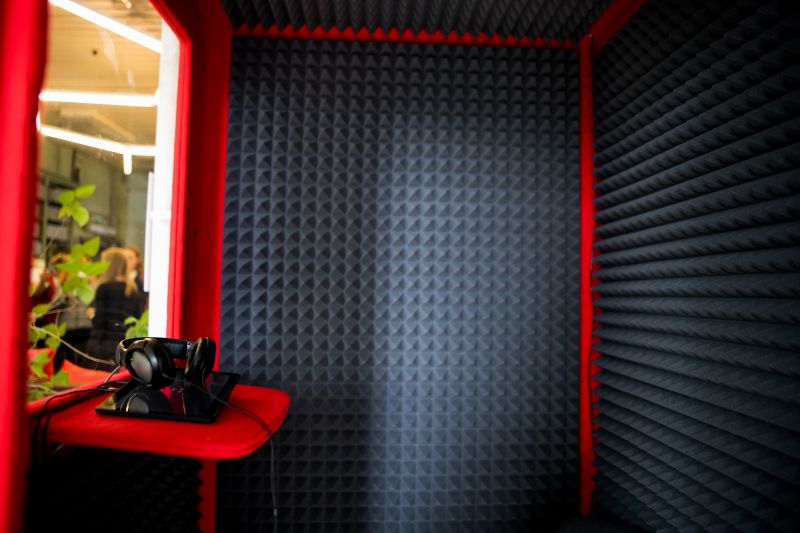
Room soundproofing services are commonly sought after by property owners dealing with noisy neighbors, busy streets, or loud appliances that disrupt daily living or work environments. Whether someone is trying to create a peaceful home office, reduce the disturbance of household activities, or improve the privacy of a shared space, local contractors can provide effective soundproofing solutions tailored to these needs. These professionals often handle projects involving wall, ceiling, or floor treatments to help minimize sound transmission and enhance comfort within the property.
Additionally, property owners might look for soundproofing services when preparing a space for specific uses, such as recording studios, home theaters, or rental units requiring sound isolation. Local service providers are equipped to assess existing structures and recommend appropriate modifications to achieve better acoustic performance. Engaging with experienced contractors helps ensure that soundproofing work is done efficiently and effectively, addressing everyday noise concerns with practical solutions.
What types of rooms can benefit from soundproofing services? Soundproofing services can be applied to a variety of rooms, including bedrooms, home theaters, offices, and recording studios, to reduce noise transmission and improve acoustics.
How do soundproofing solutions improve room privacy? Soundproofing helps minimize sound leakage between rooms, enhancing privacy by preventing conversations or noise from being heard outside the space.
What materials are commonly used in room soundproofing? Common materials include acoustic panels, mass-loaded vinyl, soundproof drywall, and insulation, which work together to absorb and block sound.
Can soundproofing be added to existing rooms? Yes, many soundproofing options are suitable for retrofitting into existing rooms without extensive renovations, making them a flexible choice for different spaces.
How do local contractors assess the best soundproofing approach? Service providers typically evaluate the room’s structure, noise sources, and desired sound reduction levels to recommend effective soundproofing methods tailored to each space.
Reduce Noise Between Rooms - Local contractors can install soundproofing materials to minimize noise transfer in shared living spaces or between apartments.
Create a Quiet Home Office - Service providers can help improve concentration by soundproofing home offices or study areas from household noise.
Enhance Media Room Acoustics - Professionals can add soundproofing solutions to media or entertainment rooms for clearer audio experiences without disturbing other areas.
Improve Privacy in Shared Spaces - Local contractors can help create private zones in open-plan layouts by reducing sound leakage between different areas.
If you are thinking about Room Soundproofing for a property, this guide is meant to help you understand the work, the typical project types, and how different options might fit your plans.
When you are ready, you can use the quote form on this page to share a few details about your project. From there, local pros can review the basics and respond with options that match what you have in mind.